Enterprise Technology Solutions for the Digital Age: What You Need to Know


Understanding Enterprise Technology Solutions
In today's rapidly evolving digital landscape, enterprise technology solutions are essential for businesses aiming to stay competitive. These solutions encompass a wide range of tools and services designed to enhance productivity, streamline operations, and drive innovation. As companies navigate the complexities of the digital age, understanding these technologies becomes crucial.

The Role of Cloud Computing
Cloud computing has revolutionized how businesses operate, offering scalable resources and flexible solutions. By utilizing cloud services, companies can reduce infrastructure costs, improve data accessibility, and enhance collaboration. Important cloud models include Infrastructure as a Service (IaaS), Platform as a Service (PaaS), and Software as a Service (SaaS).
These models allow businesses to choose the level of control and management they need. For instance, SaaS provides ready-to-use applications, while IaaS offers complete control over the infrastructure. Selecting the right model depends on the organization's specific requirements and strategic goals.
Embracing Artificial Intelligence and Machine Learning
Artificial Intelligence (AI) and Machine Learning (ML) are transforming enterprise technology by enabling smarter decision-making and automation. AI-driven solutions can analyze vast amounts of data quickly, providing insights that can lead to improved customer experiences and operational efficiencies.

Machine Learning, a subset of AI, allows systems to learn and adapt from experience without explicit programming. This capability is particularly beneficial in areas such as predictive analytics, customer service automation, and personalized marketing strategies.
Enhancing Security with Advanced Technologies
As digital threats become more sophisticated, safeguarding sensitive information is paramount. Advanced security technologies, such as blockchain and biometric authentication, are vital components of enterprise technology solutions. Blockchain provides a decentralized and secure method for recording transactions, reducing the risk of data breaches.
Biometric authentication, which includes fingerprint and facial recognition, offers an additional layer of security by ensuring that only authorized personnel can access sensitive systems and data.

Integrating Internet of Things (IoT)
The Internet of Things (IoT) connects devices and systems, facilitating real-time data exchange and process automation. IoT applications in enterprises range from smart manufacturing to advanced logistics and supply chain management. By leveraging IoT, businesses can improve operational efficiency and create new revenue streams.
However, integrating IoT requires careful planning and investment in infrastructure to handle the increased data flow and ensure seamless communication between devices.
The Impact of Big Data Analytics
Big Data analytics is another critical component of enterprise technology solutions. By analyzing large data sets, businesses can uncover patterns, trends, and insights that inform strategic decisions. This capability is invaluable for optimizing marketing campaigns, improving customer service, and enhancing product development.
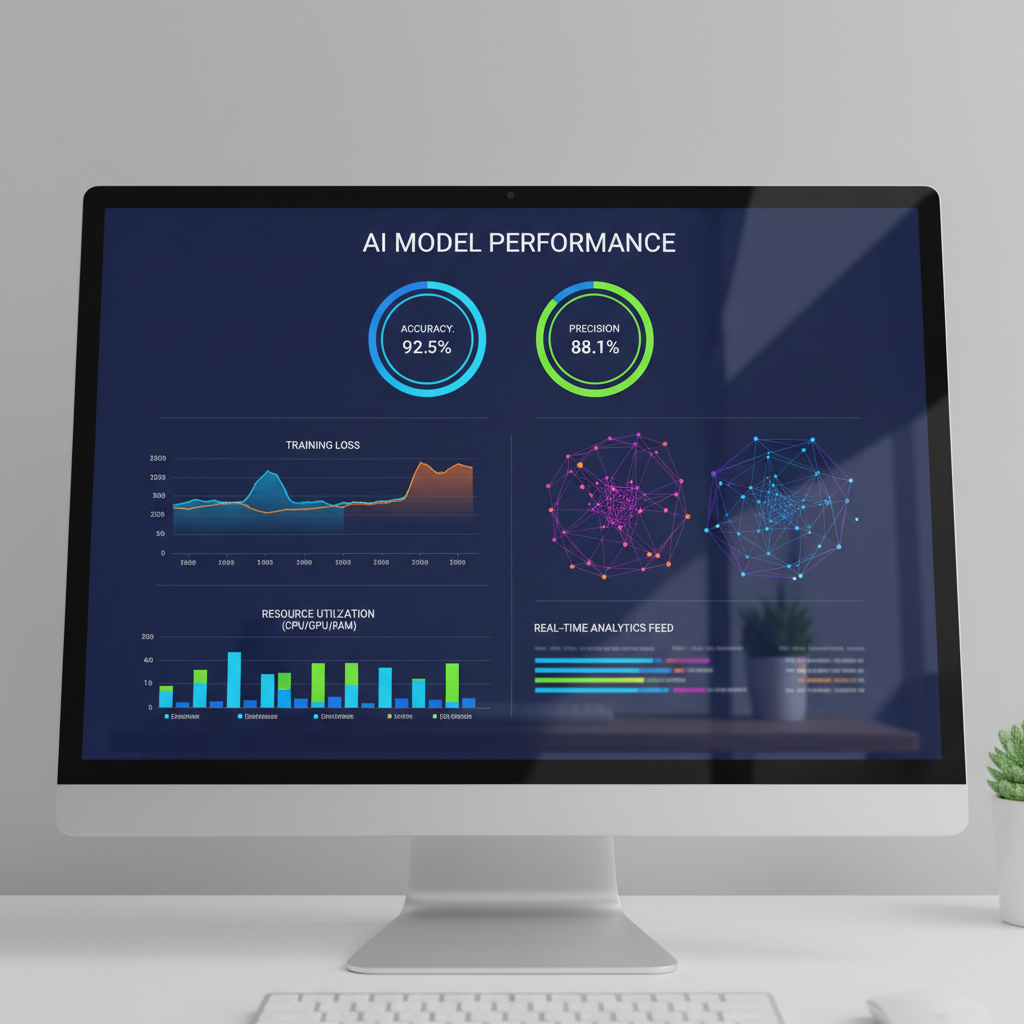
To harness the power of Big Data, companies need robust data management systems and skilled personnel capable of interpreting complex data sets. Investing in these resources can significantly boost an organization's competitive edge.
Conclusion: Navigating the Digital Age
Enterprise technology solutions are indispensable for any business looking to thrive in the digital age. By embracing these technologies, companies can enhance operational efficiency, improve customer experiences, and drive innovation. Staying informed about the latest developments and investing in the right solutions is essential for long-term success.
As the digital landscape continues to evolve, businesses must remain agile and adaptable, leveraging technology to meet the demands of a constantly changing market.